Your business data isn't fuzzy. Stop retrieving them as if they are.
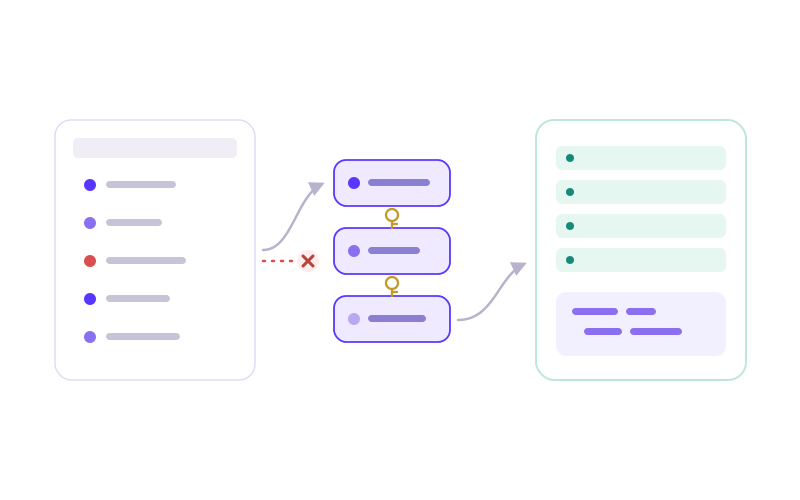
Vector RAG answers "sales in France" by similarity. Structured RAG links your city column to country table in wikipedia, so the question becomes a SQL join you can read.
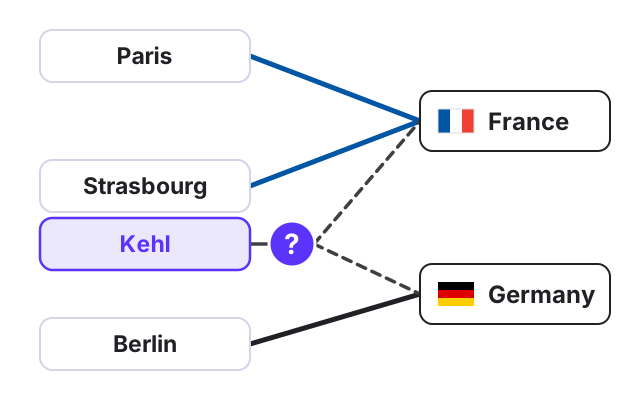
Vector RAG answers "sales in France" by similarity. Structured RAG links your city column to country table in wikipedia, so the question becomes a SQL join you can read.
The same question, at four levels of retrieval. Only the last one lets you check the answer.
| On structured data | Vector RAG | Structured RAG |
|---|---|---|
| How a string column is used | Embedded into a vector | Linked to a reference table by key |
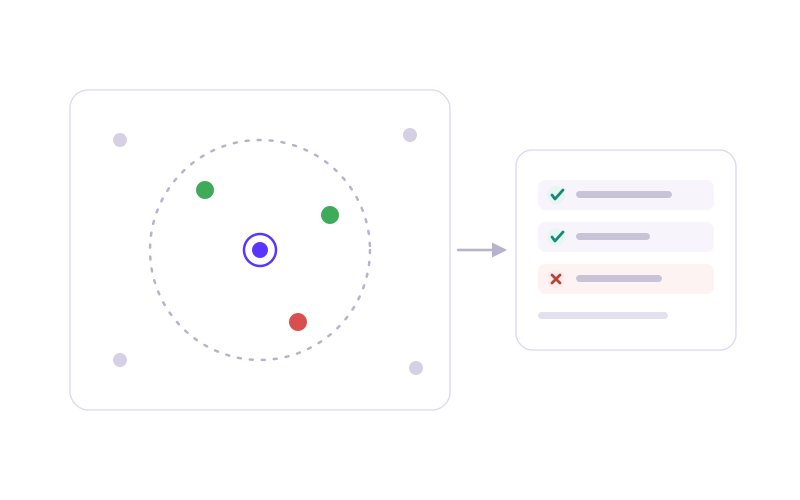
| Retrieval mechanism | Nearest neighbor similarity | SQL join |
| "Kehl" (German town near Strasbourg) | Can be included | Excluded by the join |
| Why a row was returned | A similarity score | The join, in the SQL |
| Your private reference tables | Re-embedded | Joined by key |
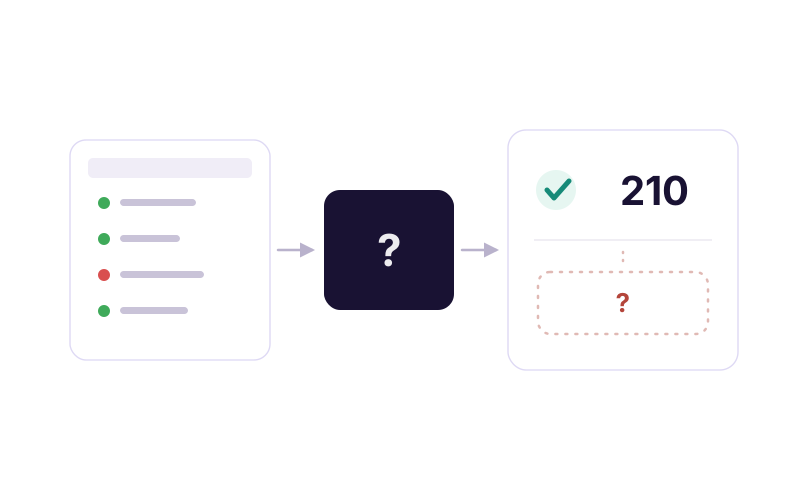
| What computes the total | The LLM | The database |
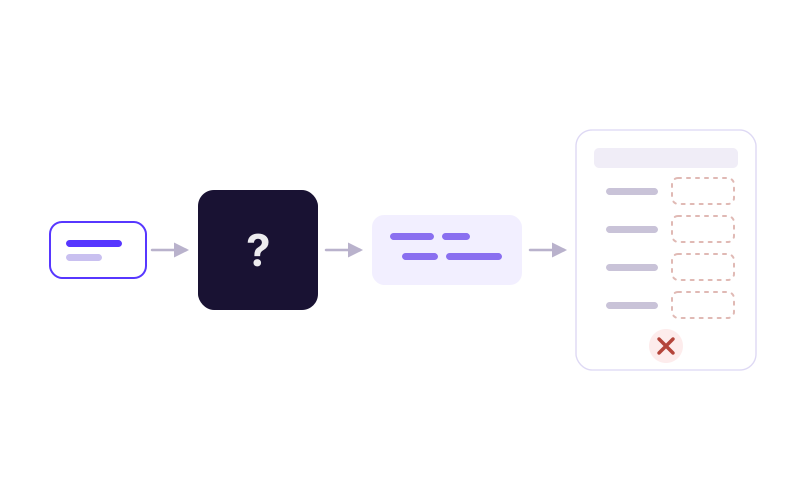
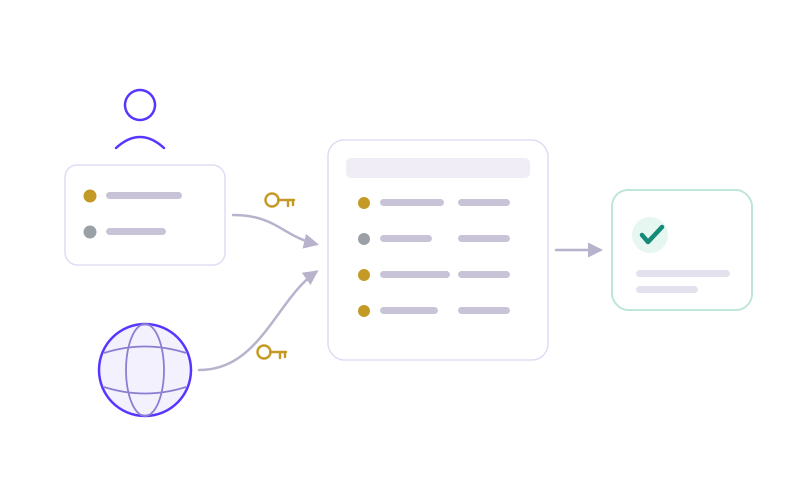
Prereasoner identifies what each column holds.
city → country → currency, or tier → your tier table. Each link is a key in a reference table.
The question becomes a SQL join across those tables.
You get the rows and the SQL that returned them.
Try it on your own CSV. Add your reference tables when you need them.